FULL BODY WORKHOUSE
  • Home
  • Amazing 12
  • Services
  • About
  • Contact
  • Blog
  • ebook

Nutrition and training blog

​

Understanding Metabolism and what effects it

3/15/2019

0 Comments

 
BMR (Basal Metabolic Rate) is when you’re asleep, you’re not digesting, your heart is pumping and your cells are working. It is the minimum energy you need to be alive. It can only be calculated after fasting and lying in a dark room. RMR is a little easier to calculate as you just need to be rested without fasting. It accounts for 60-70% of energy output.

Things that affect your BMR include:
Age, Gender, Height, Weight, Genetics, overall general health and Nutritional status. While there are some things you cannot change like age, height and genetics, there are some areas we can make huge improvements in. Being overweight/obese will have an impact on metabolic function, like hormonal and endocrine functions. Nutritional status also has relevance to our BMR. Poor food choices can lead to high blood glucose levels, poor body composition and low immune function. NEAT (Non exercise activity thermogenesis) is the exercise we undertake in our daily lives like cooking, cleaning, highly active job and steps we take. Being sedentary leads to a lower BMR so get those steps in 😊
TEF (Thermic Effect from Food) accounts for about 10% of overall energy output. This is the energy required to breakdown food when we digest it. Protein has the highest thermic effect from food so a diet high in protein is optimal. Fat has the lowest thermic effect. If you want to get the highest thermic effect from food, make sure to have adequate protein in your diet, usually around 2g per kg BW.
Finally, EA (Exercise Activity) which is purposeful activity only accounts for approximately 30% of energy output. This is like a workout or run etc.
​
While people try and overly focus on the purposeful exercise they often neglect their BMR and food choices which account for double the energy output. It is important to focus on the whole picture and not just a single aspect. Look after your weight, body composition, sleep patterns, nutritional status and NEAT. This is just as important if not more important for your goals.
0 Comments

MUSIC AND PERFORMANCE

3/13/2019

0 Comments


Are you someone who can’t go to the gym without your headphones or find it more difficult
to tune in and workout without having music blasting in your ear? Well, there is a reason for
this. Before I go into the studies, I will say that this changes for me, if I am on my own in the
gym or running, music is a go-to for me. But, if I am with friends or training in a large group,
I feel there is no need (but that study is for another day). There is good research showing the
effects of music during exercise and its positive effect on performance. A study by the
Journal of Sport and Exercise Psychology in 2009 studies the effects of synchronous music
during a treadmill workout. They tracked people’s rate of perceived exhaustion alongside
levels of fatigue. It was found that ‘’motivational synchronous music can elicit an ergogenic
(enhance physical performance) effect and enhance in-task affect during an exhaustive
endurance task.

Having covered long distance/endurance the positive effect music has, what about shorter
activities and more explosive ones? Again, the Journal of Sports Science conducted a study in
2006 and found that synchronous music had a considerably positive effect on 400m sprints.
This study looked at motivational music, oudeterous music (music absent of motivating or
demotivating qualities) and no music. Groups of men ran under the three conditions of
motivating music, oudeterous music and no music to compare times. It came to fruition that
music results in better performance than no music. It appears synchronous music can be
applied to anaerobic endurance performance with a positive effect, especially among non-
elite sportsperson.

A lot of studies have shown the effects on endurance as I stated above, but there are just as
much studies on strength. A study in 2015 by the department of biomedical and
neuromuscular sciences in the University of Bologna looked at the bench press and found that
there was a great increase in strength endurance but no effects in maximal strength. What
does this mean? Let’s say you have a one rep max (1RM) of 100kg and this is your maximal
strength. And you take 60% of your 1RM (60kg for example) which is tested by how many
repetitions you can get before failure. Well, they found that people got more reps with music,
but there was no significant difference in people’s 1RM with music. This is interesting as
music seems to have a lot more impact on our aerobic system than our anaerobic system,
especially in the gym.

At the base of it all, it does come down to preference. Do you like music or not? Do you like
to train with music or not? These studies don’t mean you need music to get better results; it is just a simple example of how music can affect our performance. The theories behind music
all attempt to capture attention, enhance mood, generate emotions and all together, can reduce fatigue.

0 Comments

IMPROVING YOUR CHIN UPS/PULL UPS

3/8/2019

0 Comments


​Everyone wants to perform chin ups/pull ups, simple as that. People get a great buzz out of being able to conquer the chin up bar and it does give a sense of achievement when you perform one. Being able to pull your own body weight and be in control of your body gives you confidence when moving on to other lifts. Both males and females pride themselves on this movement but I am afraid women in general have a slight disadvantage and have to work harder to improve or even get their first chin up. Females tend to have a lot of strength in their lower body but lower levels of strength in their upper body. Due to their hormone levels, body fat tends to be slightly higher. This means their road to that first chin up usually takes a longer time than men.
 
Ask yourself, do you have the range of motion to perform a supinated chin up, supinated means an underhand grip on a straight bar. If you cannot do this without your elbows flaring out, you probably do not have the appropriate range of motion and may need to use a neutral grip (palms facing each other). This may allow you to have a more active range of motion. If you cannot do a chin up, you can still test the supinated grip. Just stand up, bring your hands in front your face in a supinated grip and imagine your chin is already above the bar. Begin to lower yourself by raising your hands directly up (trying to keep your hands supinated with elbows facing forward). By raising your hands overhead you can see where the range of movement begins to break down, the hand may come out of supination, elbows may flare out or you may be very uncomfortable doing this movement. If so, a neutral grip will be your friend.
 
Pronated = Overhand grip
Supinated = Underhand grip
Neutral = Palms facing each other
              
 
Aside from this complex range of movement, it is a compound movement which uses multiple joints and muscles. Are your lats, biceps, shoulders, scapula, and core all able to perform this synchronised movement? This is where other exercises come in to play. Look at the muscles that are needed to perform a chin up and examine how you can improve them individually. By performing lat pull-downs, seated rows, bicep curls, hammer curls and exercises that test your grip (carries, deadlift variations etc) you will improve these muscles and their performance. If you will be someone who will be performing a neutral grip chin up, then make sure your seated rows and lat pull-downs are done with a neutral grip also (make the movement as transferable as possible). You will also strengthen this grip too with each movement. I spoke about scapula retraction in one of my posts on Instagram and it is very important that you learn the importance of scapula retraction and how to perform it when lifting weights. If you gain control of that scapula, chin ups will be a lot easier in the beginning. So practice this during the lifts. When you are performing a row or a lat pull-down, imagine when you pull that handle towards your torso that you are trying to squeeze and hold a pencil between your shoulder blades (that is how you retract your scapula).
 
Of course increasing your general strength will have profound benefits on your bodyweight exercises. By concentrating on your compound movements and overloading each week (increasing weights, sets, reps etc.), you will be building overall general strength. By having a consistent routine of resistance training, you will be improving body composition (increasing muscle and losing fat), which will lead to an easier chin up. Another way of improving bodyweight exercises like the pull up is by losing some body weight, fat is not a contractile tissue and won’t aid you at all and losing any unnecessary fat will aid your pull ups massively. Proper nutrition can and will benefit your bodyweight exercises, especially chin ups/pull ups where you are carrying your weight and pulling it against gravity. The lighter athlete here is usually the better one when it comes to calisthenics.
 
For the person who wants to improve the amount of chin ups they can do, frequency is going to be king rather than weekly overload. In this case, it is better to do 25 reps 3 days a week, rather than 100 reps on one day. Even though you would do a total of 25 more reps in one week with the 100 reps. A less extreme example for getting better is simple, if you have a pull up bar at home that can stick up on the door, they are a great tool. Put it on your bedrooms/kitchen door and every time you pass by, complete 2 chin ups until it becomes too easy and you have to complete 3 chin ups etc. This frequency is a very quick way to improving your chins ups, alongside all of the previous topics I have covered here.

0 Comments

Factors affecting nutrients and energy in food

3/1/2019

0 Comments

 
Being able to read labels is very important for understanding nutrition. It is even better when you have a good grasp of what calories and macronutrients are. But unfortunately, there are factors that can change the quality of our food including nutrients and energy. So just because a food says it’s 100Kcal doesn’t mean it’ll break down to that in the body.
 
Fibre/Resistant Starches – These are often over estimated in foods
Outdated Data – Some of the information is old data that needs to be updated
Imprecise Analytical Tools – Not using correct tools for measurement
Product Variety – Tests may be carried out on single samples. Does not take into account batches or variability between samples
Soil Composition – Food composition tables don’t take into account the composition of the soil some food is grown in
Ripeness when harvested- Ever taste in season fruit compared to out of season? Taste difference. Nutrition Difference.
Animal Diets – This can change the nutritional composition of meat
Length of storage – Nutrients are much different in products harvested yesterday than a few weeks ago in a different time zone
Preparation/Cooking food – Raw foods are different in nutrient composition versus cooked foods

0 Comments

TRAINING AND IMMUNITY

2/28/2019

0 Comments


During periods of intense training or immediately following endurance race events, many athletes find that they are susceptible to minor respiratory illness, such as colds and sore throats. While moderate training seems to boost your immune system, prolonged periods of intense training appears to depress immune cell functions. There may be a certain window of decreased protection after these intense sessions, this means that you can be at more risk of viruses and bacteria which may develop an infection. It is thought that the increased levels of stress hormones, such as adrenaline and cortisol can inhibit the immune system (hindering its ability to protect you). But other simple stresses such lack of sleep, poor nutrition or perceived stress can depress immunity.
 
A healthy diet that meets your energy needs and provides enough micronutrients for your immune cell function will be very important. Iron, zinc, magnesium, manganese, vitamins A, C, D, E, B6, B12 and folic acid are among the most important for maintaining immune defences. This can all be obtained through diet, you do not have to supplement anything/everything, just make sure you get fresh air during sunlight hours alongside a good portion of varied fruit and vegetables every day. What can be very damaging to your immune system are diet periods or below maintenance calories while training at a very intense pace, even just a short-term diet can leave you very susceptible to infections. In saying that, people who train at a very intense level should be fine if they are controlling the controllable factors. Here are some tips on how to protect your immunity while you train hard.
 
Don’t under eat, especially if you’re training for performance (GAA). Match your calorie intake and expenditure as under eating will increase cortisol levels. Eat nutrient dense foods such as vegetables, fruit, whole grains, lentils, nuts and seeds. Avoid low carbohydrate diets as low glycogen stores are associated with bigger increases in cortisol levels and bigger suppression of your immune cells. Drink plenty of fluids to increase your saliva production; this contains anti-bacterial proteins that can fight off airborne germs. Make sure you get enough sleep every night to reduce stress (6-9 hours).
 
Supplements can be used to get that extra kick, but you should nail down the above before even looking to supplements. Vitamin C can help reduce the risk of upper respiratory tract infection and one study even showed that marathon runners who took daily vitamin C supplements (approx. 1500mg) seven days prior to a race had lower levels of stress hormones following the race, suggesting a greater protection against infections (study conducted by Peters, in 2001 in the University of Natal, Durban, South Africa). During intense exercise, glutamine can fall up to 20% which puts a strain on the immune system, so supplementing that may help also. Many other studies found that Probiotic supplements, Quercetin supplements and Echinacea supplements all helped to boost immunity, reducing the risk of catching a cold. 

0 Comments

Nutrition and Disease

2/22/2019

0 Comments

 
Nutrition and Disease
A disorder of structure or function in a human, one that produces specific symptoms or that affects a specific location and is not simply a direct result of physical injury.
 
The Relationship between nutrition and disease
  • Nutrition is vitally important to our overall wellbeing.
  • Nutrition is important for prevention of certain diseases but also vital for the maintenance of other diseases.
  • Each disease is different with regards nutrition and it is a very vast area. 
Obesity
Overweight and obesity are defined as abnormal or excessive fat accumulation that presents a risk to health. A crude population measure of obesity is the BMI (Body Mass Index). A person with a BMI over 25 is considered overweight while a BMI over 30 is considered obese. These two issues are major risk factors for a number of chronic diseases including diabetes, heart disease and cancer.
WHO
 
Some causes of obesity:
  • Genetics – FTO and leptin deficiency
  •  Metabolic – metabolism and hormones
  •  Lifestyle
  •  Syndromes – Prader Willi
  •  Low socio economic background
 
Problems associated with obesity:
Physical problems
  •  High blood pressure
  •  Type 2 diabetes
  •  Heart disease
  •  Joint problems – osteoarthritis
  •  Sleep apnea and respiratory problems
  •  Certain types of Cancer
 
 
Psychosocial Problems
 
  • Obesity has significant monetary costs
  • Often have few or no romantic relationships
  • Low self esteem
  • Low self confidence
  • Find it difficult to mix with people
 
Strategies to combat obesity:
  • Increase physical activity levels
  • Improve nutrition
  • Control Portion sizes
  • Reduce sedentary activities like watching tv, video games etc.
  • Keep track of your weight, BMI and body circumference 
 
The facts about childhood obesity:
  • Childhood obesity has more than doubled in children and quadrupled in adolescents in the past 30 years
  •  1 in 4 children is overweight or obese
  •  4/5 children in Ireland do not meet Government Physical Activity Guidelines
  •  1/5 of the energy intake from a child’s diet comes from sugary drinks, biscuits, chocolate and confectionary
 
Heart Disease
Heart and blood vessel disease is an umbrella term for any type of disorder that affects the heart like coronary artery disease, heart rhythm problems and heart defects. The most common forms of heart disease involve narrowed or blocked blood vessels that can lead to heart attack, chest pain or stroke.
Causes of Cardiovascular disease
  •  A build up of fatty plaques in your arteries – caused by a poor diet
  •  Smoking
  •  Lack of exercise
 
 
Risk Factors associated with Heart Disease
  • Age
  •  Gender
  •  Family history
  •  Smoking
  •  Poor diet
  •  High blood pressure
  •  High cholesterol
  •  Other diseases - Diabetes, obesity
  •  Physical inactivity
  •  Stress
 
Heart Disease Prevention
  • Increase physical activity levels
  • Improve nutrition
  • Avoid certain foods which may cause high cholesterol or high blood pressure
  •  Quit smoking
  •  Reduce stress
 
Cancer
Cancer is the name given to a collection of related diseases. In all types of cancer, some of the body’s cells begin to divide without stopping and spread into surrounding tissues. Cancer can almost start anywhere in the human body. Many forms of cancer form solid tumours. Malignant tumours mean they can spread or invade nearby tissues. Benign tumours do not spread.
As with other diseases nutrition is linked to the prevention of cancer and is also thought to relieve symptoms in cancer patients. It is advised to maintain a healthy diet during cancer treatment but this may be difficult depending on type of cancer.
What affects nutrient absorption during cancer treatment?
  • Nutrient absorption may be inhibited depending on type of cancer
  •  If the patient is undergoing surgery, radiotherapy, chemotherapy, immunotherapy or stem cell transplant, it may make it hard to eat well/at all
  • Side effects of treatment include loss of appetite, nausea, vomitting, diarrohea, constipation, dry mouth
Diabetes
Diabetes mellitus is a condition caused by a lack or insufficiency of the hormone insulin. Insulin works by allowing blood sugar to be used as an energy source. If insulin is deficient, blood sugar will build up in the bloodstream. Therefore, diabetes is characterised by high blood sugar levels.
 
Early symptoms of diabetes:
  • Hunger and fatigue
  • Frequent urination and excessive thirst
  • Dry mouth and itchy skin
  • Blurred vision
 
Type 2 Diabetes
Type 2 diabetes occurs when the body makes insulin but their cells don’t use it as well as they should, this is called insulin resistance.
 
Symptoms and prevention:
Symptoms are the same as someone with type 1 diabetes.
Prevention/Treatment
  1.  Lose weight
  2.  Get active
  3.  Eat right
  4.  Quit smoking
 
0 Comments

Hamstring Health in the GAA

2/21/2019

0 Comments

 
So why are there so many injuries in the GAA community to do with hamstrings? Is it to do with the pitches, the pivoting/turning, the high pace, bad running mechanics, the lack of mobility or the lack of strength? There are a lot of variables and although arguments can be made for each part, I will be focusing on lack of strength. In 2015, hamstring injury reports in the GAA were up on 29.1% and repeated hamstring injuries were reported at 33%. The hamstring seems to be something that comes back again. Remember these were the reported rates; I assume the actual rate is higher of both initial injuries and repeated injuries. Why are people repeating injuries, is it going back to the pitch too soon or poor rehab procedures or not continuing rehab while back on the pitch. It is probably a combination and lack of knowledge on the anatomy of the hamstring. The hamstring injuries are prominent because of the various movements/variations in the sport; it isn’t down to one thing.
 
Uneducated people are pointing the finger at the strength programs claiming that they are working their hamstring too much in the gym blah blah blah and under all of the pressure it has acquired this injury. Well, there is a good understanding of how the injury occurs for the most part, especially in field sports. It mainly occurs during a sprint, when the lower leg is moving toward the ground and striking it with force. As we apply so much weight and force onto every step, our hamstring overloads in a bid to decelerate (eccentric contraction) and the muscle fibres strain/tear. There are a lot of factors involved in an injury like this, a lack of strength, tight/immobile hips, lack of flexibility in hamstring and even being generally unfit can be enough for these fibres to strain. There are more internal problems, than external. So stop blaming pitches, rain, hard ground or any of that for your own imbalances.
 
A lot of the strength exercises that GAA players perform are totally quad dominant from front squat, back squat (unless you can hit low bar), hex bar deadlift, lunges to split squats. There is a lot of research showing that healthy and strong hamstrings are beneficial for injury prevention. One particular study in 2007 by the Sports Injury Research centre Las Vegas, studied the effect of hamstring-emphasized resistance training on hamstring:quadriceps strength ratios. It basically showed us that athletes with powerful quadriceps a, but underdeveloped hamstrings or weaker hamstrings tend to have a greater risk of hamstring injury, and even more interesting, this off balance meant an athlete would have a greater risk of an injured ACL (which is another dominant injury in GAA as mentioned in the first part of this piece).  Other leg exercises along with hamstring ones have profound effects on our tendons and ligaments. After 10 weeks (for general population), you can expect a 20% increase in the strength and thickness of your ligaments and tendons, which goes a very long way when minimising injuries.
 
Let’s look at the hamstring anatomy and actively break down how we can and should train it in the gym. The hamstring crosses two joints, the knees and the hip. This means that they have two main functions, knee flexion and hip extension. Knee flexion is when you move your ankle/calf toward your hamstring (like you would in a leg curl) and hip extension is anything that occurs when you move your thigh backward (like a Romanian deadlift). It is important to train both methods to increase the strength of your hamstring in a lengthened range and a shortened range. By combining these hip extensions and knee flexion, you will be strengthening all 3 muscles in the hamstring, along with some running of course. But it is important to cater to all of these ranges. The Bicep Femoris has a short head and a long head, which must be trained at both ends so there aren’t any imbalances, alongside training the other two muscles, the semitendinosus and the semimembranosus. The fact the hamstrings pull on the knee and hips, they can cause pain in lower back, knees and other areas of the body, so get on top of it. 

​Examples of exercises you can use to strengthen both ranges:
Knee flexion                                                               Hip extension
Short to mid-range                                                    Long to mid-range
1) Leg curls                                                                 1) Romanian deadlift
2) Nordic curls                                                            2) Good- mornings
3) Band curls                                                               3) Kettlebell swings
 
Look after your hamstrings guys and remember to train your hamstrings at different lengths :)

0 Comments

Fad Diets and Why they don’t work?

2/15/2019

0 Comments

 
 A fad diet is a weight loss plan or aid that promises dramatic results. These diets typically don’t result in long term weight loss and they are usually not very healthy. In fact, some of these diets can actually be dangerous to your health.
 
How to spot a fad diet?
  1. The diet only lasts a certain number of days/weeks
  2.  You’re only allowed certain foods – Including but not limited to requiring you to skip meals or replace meals with special drinks or food bars
  3.  The diet ‘promises’ weight loss from a specific part of your body
  4.  There is a guarantee of how much weight you will lose
  5.  It doesn’t promote exercise/healthy lifestyle practices – be weary
  6. You are asked to invest in supplements, herbs, pills or patches
 
Unfortunately, social media has increased the coverage of these diets or diet supplements. ‘Influencers’ promote them and market photoshopped images to make a little extra cash. It’s a sure way for young, impressionable teenagers to catch on. There have been many crazy fad diets in the past but supplements and teas seem to have taken over the present.

Some examples:
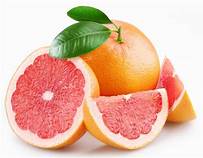
  • Grapefruit diet -It is a low calorie diet that consists of grapefruit with a protein source at each meal. Grapefruit reduces insulin response along with a protein source give a ‘full feeling’ .                                           ​
Picture
​
  • Cabbage Soup Diet -  Dieters consume cabbage soup only for 7 days.
It will result in weight loss due to lack of calories but will also lead to extreme flatulence
  • Atkins Diet – High Fat/Low carb diet
  • Shakes/Juice diets – May only consume shakes or juices as part of the diet
 
Why these diets don’t work
  • They are just not sustainable
  •  They slow down BMR and as soon as a person starts eating normally again they put all weight back on and even more sometimes
  •  People either can’t exercise (very low calorie diets) or it's not recommended. So they end up eating into muscle mass rather than losing fat mass
  • The more sustainable methods are often too expensive/ people don’t have amenities
  • People end up binging if they restrict themselves too much
 
The best type of ‘Diet’
  • 80/20 approach – 80% good whole foods with 20% treats
  • Stick to one ingredient foods, two at the most
  • At all meals, try to ensure you have a balanced meal
  • Always drink approx. 2 litres of water. Tea and coffee are allowed but limit them and try green tea and herbal tea
  •  Choose wholemeal options rather than white
  • Choose organic if possible
  • Extra virgin oil should be used for frying. Sea salt, pepper, and spices for seasoning
  • Don’t forget about healthy fats
  •  I recommend everybody takes a probiotic supplement (important for digestive health) and fish oils (important for overall health)
0 Comments

Are Weekends Ruining your progress?

2/8/2019

0 Comments

 
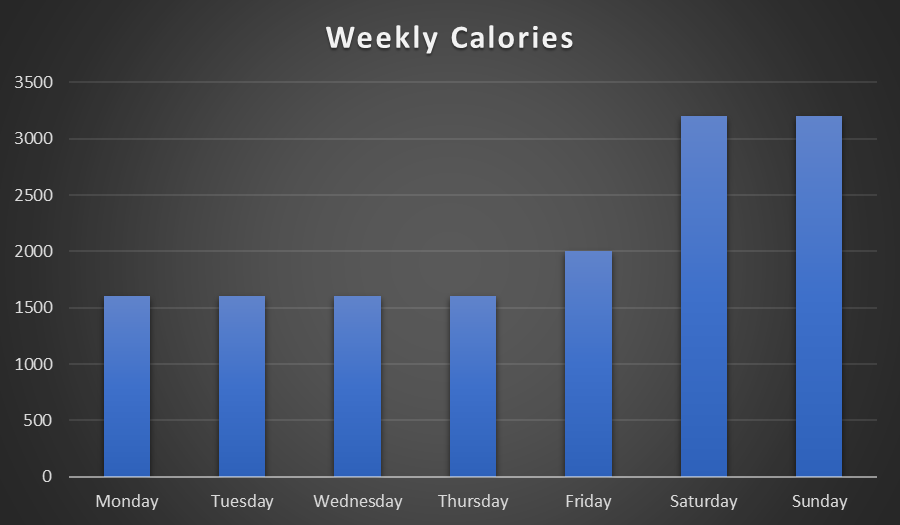
Are you a Monday to Fridayer? Are you working super hard during the week just to undo all that come Friday evening? I know a lot of people won’t like hearing it but it is the harsh reality. From Friday evening at 6pm until Sunday at 12am is 32% of your week. And unfortunately, when you put in 70% effort you don’t necessarily get 70% of the results.
 
Calorie deficit
If weight loss is a goal, you need to be in a calorie deficit. This means you need to be burning more calories than you are consuming. This usually works on an overall weekly figure (see previous blog post on how to calculate calories). If your overall weekly calories are not in a deficit, it doesn’t matter how hard you’ve worked Monday to Friday, you will not achieve your goals.
 
Example:
Mary is 70kg. She’d like to get down to 65kg. Mary has a pretty sedentary job but she trains hard 3 days a week. Her average daily calories are approximately 1700 for her to be in a calorie deficit. (2100 maintenance). Mary works hard Monday to Friday and keeps her calories lower during the week so she can allow for a few treats at the weekend. But those few treats turn into a cinema date Friday, Drinks Saturday and a big takeaway Sunday to cure the hangover.
So Mary’s overall weekly intake ends up at 14,800 which is her maintenance calories so the scales is not going to budge. Sound familiar??

​
Picture
​If you continue in this cycle you will never achieve your goals. Nobody is saying you have to give up everything you enjoy, but you are going to have to sacrifice some things to achieve your goals. Results come to those who are consistent, not perfect 
0 Comments

CONSIDERATIONS WHEN STARTING YOUR FITNESS JOURNEY

2/6/2019

0 Comments

 
If you want to create your own program, that is great, nobody understands your body and lifestyle better than you do. But before you dive in, there are some things to keep in mind when programming. It is important to consider these variables, time/commitments, stress, preferred method, your goals and accessibility. These are mostly things you should consider before even beginning a training plan.
 
Time and commitments are important and more often than not, commitments dictate the weekly plan in the gym. If I only have 3 evenings free, they are the times I’m training. A lot of people have out of work commitments with local clubs, community work, children who have hobbies and families to look after. From day one, you need to pick your days and make training a priority before you even step foot in a gym. Don’t have time? Make time. Then, the next step depends on how long you can give to the gym, 30/45/60 minutes? If it is less, stick to the compound lifts that give you more bang for your book. If you have time, add in some accessories and other lifts.
Accessibility is important now. What gyms are close to home/work. Know the opening times,  the equipment and the environment. Does it have everything you need and does it feel like somewhere you would love to train? Again, this is something we don’t think about but should consider as your happiness and environment are important when you’re training.
Stress is important as our Central Nervous System (CNS) doesn’t know the difference between physical stress and financial stress for example. Stress is simply stress. This is how you gauge your volume and intensity. If you have a highly stressful job (surgeon) and a stressful house (6 children), don’t go too hard on yourself, less may be more for you. If you are someone who may be in the same position, but not stressed at all, you may be able to increase intensity as your CNS can cope.
Your preferred method of training is very important, as you want to do something you will sustain forever, and adherence is much easier when you enjoy what you’re doing. Pick a method you will stick at as fitness is a journey everyone should begin, but nobody should finish.
Now that all of that is under control, the important aspect of training, what are your goals? Specific goals need specific plans. Make sure you are keeping the goal in mind when you are selecting exercises and creating your program. You want a big bum? Better have some glute bridges/hip thrusters/squat variations and singing movements. Want a big chest? Better challenge it through flat bench, incline and chest flies etc. If you’re training for a specific sport, make sure your strength sessions are adding to that and not taking away from your performance.
This is a lot to take into account, if you do not want the hassle of organising these things, I would advise finding a gym environment you love, talk to the trainers there and let them take care of the rest, the methods, times that suit you, programs tailored to your life and watch your life dramatically improve.
 

0 Comments

Introduction to some hormones and how they can affect our body

2/1/2019

0 Comments

 
Did you know?
We have 11 different systems in our body, and they all work with each other. The endocrine system is the one that contains our hormones and food passes through the digestive system. These systems can work in sync or there can be many factors that make them work against one another.

What are hormones?
Hormones are chemical messengers that are secreted directly into the blood, which carries them to organs and tissues of the body to exert their functions. They are secreted by the endocrine glands in the body. Some of the major glands include: Thyroid, adrenal glands, pancreas, ovaries and pituitary gland.
Some hormones we may have heard of include Cortisol, Insulin, Glucagon, Adrenaline and Growth hormone. I want to explain a little bit about how these hormones can be affected by the foods we eat or our environment etc.

Cortisol
Cortisol is a steroid hormone secreted by the adrenal glands. Cortisol is the stress hormone and is responsible for controlling blood sugar levels, acts as an anti-inflammatory, controls salt and water balance and influences blood pressure.
Cortisol levels are usually high in the morning and decrease as the day goes on. Our body wants to regulate the amount of cortisol released, too much or too little is not optimal. But some factors may affect Cortisol secretion, like times of high stress or malnutrition or obesity etc. This can lead to a negative impact on the body.
Too much cortisol can lead to:
  •  Weight gain
1.Cortisol promotes visceral fat storage. Also there are more cortisol receptors around the mid rift region
2.Consistently high blood glucose levels coupled with insulin supression lead to cells starved of glucose. Cells send hunger signals to the brain.
3.Cortisol also influences cravings for high calorie foods
  •  High blood pressure
  •  Osteoporosis
  •  Muscle weakness
  •  Mood swings – anxiety, depression, irritability
  •  Increased thirst and frequent urination
Insulin
Insulin is a hormone made by the pancreas that allows your body to use carbohydrates as energy and allows us to store carbohydrates for future use.
If you have extra carbohydrates (in the form of sugar) than your body needs, insulin helps store the sugar in your liver and release it when your blood sugar is low, such as in between meals or during physical activity. When the liver has taken it’s capacity of glycogen, insulin signals fat cells to take up glucose to be stored as fat in the body. Over time because of over consumption of carbohydrates our cells can become resistant to the effects of insulin. Type 2 diabetes can then occur. This is very common in the overweight/obese population.


0 Comments

WANT TO GET STRONG?

1/30/2019

2 Comments

 
Building muscle and getting strong do go hand in hand, but they are not mutually exclusive.,
but there are some differences. Will you build muscle by lifting heavy weights for low reps?
Yes. Will you build muscle when lifting low weights with high reps? Yes, but you may not
get the strength benefits. In order to get strong, you must lift heavy. As the saying goes,
“Wanna get strong? Lift heavy and lift often”.

Specificity is important when you have any fitness goals. The law of specificity overrules all
other laws when it comes to program design. It is pretty obvious that, to get better at any
activity, you must precisely practice the skill you wish to develop. You are training for a half
marathon; this goal is specific. How do you prepare? Running is the obvious answer and
people know this. Yet, when it comes to other specific goals, people become more general
(rather than specific). You wouldn’t train for a half marathon on a rower machine and assume
that just because you’re working the whole body (heart and lungs included), that you will be
fit for a 21km run. This is what I mean by general. You can generally train your body to be fit
(both cardiovascular and physical), but if you have a goal you must become more specific.
Yes, rowing can benefit your running, but it is still only a complimentary exercise rather than
a substitute. So it is important to know, what is strength to you? Is it squatting 1.5 times your
bodyweight, deadlifting 2 times you bodyweight or even benching your bodyweight? These
are general metrics used but strength for one person will be different for another. Be specific
at what you want to get strong at. Once you have that down, you can begin to train

Practice technique as you can always aim to perfect it. Stick within 70% and 90% of you’re
on rep max, this way you are still working with heavy weights and can still drill your
technique, as anything lighter than 70% will build muscle but not practice strength and
anything above 90% may result in a breakdown of technique. Increase your work capacity
through a variety of workouts. Keep the main lifts in and focus on building them, but use
accessory lifts as a tool to improve the main ones. Avoid injury where possible, this involves
leaving your ego at the door and being intelligent in your lifts. Add muscle mass, the
strongest athletes are generally the biggest ones too. A study by W.F Brechue and T. Abe was
published in the European Journal of Applied Physiology in 2015. They looked at the role of
fat free mass accumulation and skeletal muscle architecture in powerlifting performance, they
found that muscle thickness was strongly correlated to elite power lifters performance in their
squat, bench and deadlifts. There are many ways to build muscle, mechanical tension is
useful here as you practice lifting heavy things here, metabolic stress is working near failure
and muscle damage which is a variety of movements.

Rep ranges are important for getting strong; of course you should lift using different weights
(60-95% of your one rep max). But in order to get strong, utilise the main lifts within a 70%-
90% ratio as explained above. Let’s explain how many reps are generally done at each
percentage.
70%= 12 reps
75%=10 reps
80%=8 reps
85%=6 reps
90%=4 reps

I cannot speak about getting stronger without mentioning nutrition, as well as lifting yourself
strong, you must eat yourself strong. This is where a lot of people fall. More often than not,
over-training or burning out is a result of under eating as opposed to actually ‘over-training’.
You must eat above maintenance and eat in a surplus with nutrient dense foods. Calories are
important here and you must consistently eat in a surplus to maximise your strength.
Remember, what gets measured get managed.
2 Comments

'Fakeaway' Ideas

1/25/2019

0 Comments

 
We all love a good treat meal. And if we’re working hard, training often and eating well we’re entitled to have them 😊 But we can find lower calorie options which will satisfy both your belly and your goals. It’s not about deprivation but education. We can still enjoy some of our favourite foods but for a fraction of the price and calories.
 
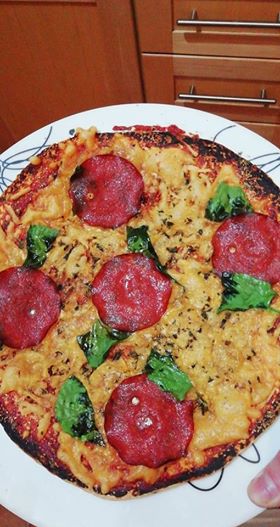
Pizza Wrap
  • Wholegrain Wrap
  • Tbsp. Tomato Puree
  • Garlic Granules
  • Oregano
  • Low fat cheese
  • Toppings of your choice (e.g veg, chicken, pepperoni)
Method
Squirt the tomato puree on wrap and spread evenly. Sprinkle garlic and oregano. Top with cheese and toppings. Put in the oven for 15-20 mins at 200 degrees.

Picture
​Taco Fries
  • Turkey mince
  • Passata
  • Peppers
  • Onions
  • Sweet potato fries
  • Low fat cheese
Method
 Dry fry vegetables and mince in a pan until brown. Add passata and simmer for 20 mins. At the same time cook sweet potato fries in the oven. Top the fries with the mix and add cheese 😊
Picture
​Garlic Dip
  • 3 tbsp. Greek yogurt
  • Garlic granules
  • Mixed Herbs
Sprinkle garlic and mixed herbs into Greek yogurt and use as a lower calorie alternative 😊
0 Comments

YOUR LIGAMENTS AND TENDONS WANT YOU TO STRENGTH TRAIN

1/23/2019

0 Comments

 
When you think about strength training, muscles spring to mind and everyone is quick to talk about the advantages of muscle, and there are many, but let’s not forget about those important ligaments and tendons. Ligaments and tendons are connective tissues, ligaments are responsible is responsible for attaching bone to bone while tendons attach muscle to bone. Resistance training makes our muscles contract, and in turn our ligaments and tendons grow stronger and thicker. These tissues take much longer than muscles to grow. After 10 weeks (for general population), you can expect about a 20% increase in strength and thickness of your ligaments and tendons with regular training. This goes a long way when it comes to becoming more active without having to worry about injuries around the corner.
 
 
Damaged tendons heal slowly and rarely retain the structural integrity and mechanical strength of a healthy tendon, which often lead to clinical challenges (2017, Fan Wu), as stated in his paper “Tendon injuries: Basic Science and new repair proposals”. This is important as it clearly shows us, prevention is once again, better than the cure. The American Journal of Sports Medicine conducted a study in 2005 which looked at the effectiveness of neuromuscular training in preventing ACL injuries in female athletes (this was a 2 year follow up study). In 2000, they gathered a group of young soccer players over 51 teams, which is a large sample size of 1041 female athletes all between the ages of 14-18. They simply implemented a certain warm up, resistance training, plyometrics and other simple measures. The results found were overwhelming as there was an 88% decrease in ACL injuries in the first year of the study.
 
The benefits of stronger ligaments and tendons go beyond tears and sports injuries, you may think that it only applies to ‘athletes’, but it is important for everyone and those who are else active, one they begin moving, they may be more susceptible to these injuries as their running mechanics are not as seasoned as that of an athletes. Mechanical factors and a sedentary lifestyle play a massive role in the pathology of ankle injuries (tendons in the Achilles). If you don’t use it, you lose it. By performing some form of resistance training, you will improve overall flexibility, your range of motion and strength of the ligament/tendon, in turn you can reduce the risk of muscular injuries or ‘pulling’ muscles as strong muscles, ligaments and tendons all take the slack of any stress or stimuli you put on the body.
 
Yet another reason for you to strength train, so what are you waiting for? 
0 Comments

Pre-Season Athlete Nutrition

1/18/2019

0 Comments

 
We’re in January now and it’s pre-season for most GAA heads. A question I get asked quite often is should nutrition be different pre-season and during season. The answer is yes. You should not be consuming the same calories in pre-season as you do during championship.

Think about it though. Preseason is usually gym based with maybe one pitch session so activity levels are not as high. Compare that to full on championship mode, you may be on the pitch 3 times a week with one gym session. And this only takes one sport into consideration. You may have multiple sports.
If activity levels increase so too should calories and vice versa. If we are in a period of lowered activity, calories should therefore be lower. Overall calories are determined by gender, weight, activity level and goals.

Macronutrient requirements will also be different. Protein requirements will be high in both cases as the need for recovery will be high i.e post gym session or post-match both require high protein. Protein targets are usually 1.8-2.2g per kg BW. We get protein from meat, fish, eggs, beans, peas, nuts and seeds.
Fats are also important for recovery and to reduce inflammation. These should be approximately 20% of our overall calorie intake. Healthy fats like polyunsaturated oils, nuts, seeds, dark chocolate and oily fish are an essential part of a balanced diet.
​
Carbohydrate is our main energy source during sport. Pre season however, requires less carbohydrate intake. We are focused on more short bursts of energy like Gym work or sprints which use a different energy system to matches. We don’t need to consume carbohydrate with every meal during pre-season and while our calorie requirements are also lower here might be a good place to start. We could substitute our complex carbohydrate rice with a lower calorie cauliflower rice or breakfast could focus more on a larger omelette with extra veggies rather than 2 slices of bread? These are just options of how to reduce calories but keep bulk and not feel like you are depriving yourself.   
 
It is important to understand that these are two different periods of an athlete’s schedule. Just like your training is cycled, your diet too should be cycled. I will continue this topic when we come into season 😊

0 Comments

How to break a plateau

1/16/2019

0 Comments

 
I remember searching the internet for hours when I couldn’t physically lift heavier weights after
weeks, months and even years of training for it (bench, squat and deadlift, especially). There was
even a time where I got worse the harder I was trying. I wanted to know how to break the plateau, but the internet gave me so much conflicting information. In this piece I hope to provide clarity on how to overcome this difficulty in simple, yet effective steps.
 
Nailing these basics alone can have positive knock on effects before you go changing your program.
 
1) Sleep
In order for us to perform, we need to be fully charged and well rested; this is where sleep
takes over. It is vital that you are getting at least 7 hours sleep on average during the week.
More often than not, the reason training isn’t going to plan is due to something as simple as
not getting enough rest.  A minimum of 6 hours sleep alone has so many benefits. A study
showed us that muscular function improved in Basketball players from Stanford University
when nothing but their sleep was changed (increasing sprint times). The same study showed
us increased sleep impacted their cognitive function allowing these athletes to increase over
9% in their shooting accuracy. The quality of your sleep is more important than the duration
of sleep. You can find a post on my page about optimising sleep.
 
2) Recovery and stress management
Recovery can be defined in many ways; from sleeping, taking a rest day (or a de-load week),
active recovery (swimming, stretching, rehab, sauna) mobility work (hip stretches, Thoracic
spine stretches). Aligned with recovery is stress management. This is what people find very
hard to understand but your central nervous system does not know the difference between the
physical stimulation caused by weights and stimulation caused by emotional stress (be it
financial stress, relationship problems or even family feuds). These are the variables that lead
to over-training. Imagine a cup that holds all your stress, both physical and emotional. If
you are having a tough day/week and you come into the gym, this ‘’stress cup’’ may be 90%
full. If you are going to train, toning it down is the smarter idea as once you overfill this
cup, problems will arise with performance.
 
3) Nutrition and water intake
Are you drinking 2-3 litres of water a day, sipping throughout the day so a constant supply is
being given? Water improves cardiac output, endurance, gives your heart rate a less
pronounced increase and helps maintain temperature. All of these variables link directly to
performance. Without water, we cannot perform optimally. Effects of dehydration range from
decreased ability to sweat, reduced blood flow to kidneys, decreased in muscle glycogen (this
is where we store energy). Nutrition is a massive part of recovery and every goal you have
physically should be aligned with proper nutrition. Are you eating enough? Are you eating too much? Are you eating healthy foods 80% of the time? By healthy I mean non-processed
food which carry vitamins and minerals (micro-nutrients) as well as enough protein. Processed
foods are anything that is made for a long shelf life. Slight changes in the quality of food can
help your digestive system, sleep and recovery.
 
Once you have a good grasp of this, have a look at these training tips
 
1) Overload
Make sure you aren’t doing the same workouts and not progressing. Change the sets reps and
weights to increase the volume. For example if one week one I bench 50kg for 3 sets and 8
reps (50x3x8=1200). The next week, make sure that volume on the bench is over 1200. This
can be as simple as 50kg for 4 sets of 7 reps (50x4x7=1400). This small change with 4 extra
reps overall add 200kg of volume to a session).
 
2) Frequency
Do more of the specific exercise. If your goal is to get a one rep max lift in the bench at 80kg,
but you keep failing at 80kg every time you try; it may be as simple as benching more often.
Most people have one assigned day for a body part/movement. If you are benching once a
week and on an 8-week program, after 8 weeks you have only benched 8 times. By adding in
the bench press to another day in your program, you will double the volume.
 
3) Variation/Accessories
By using other exercises such as chest press, shoulder press or even triceps can help with
your bench press. Simply by progressing these lifts, your bench will improve. Pick
appropriate exercises to compliment your goals.
 
4) Time under tension
Keep the tempo of the movement slow and under control. For example, when you have the
bar up and arms extended, bring the bar down to your chest slowly and under control in 3
seconds, hold for 1 second and raise the bar up for 3 seconds and again, holding at the top for
1 second also. This mean the muscle is under tension for a lot longer than regular sets,
meaning they contract more and cause more damage. This stimulus is very effect for muscle
and strength building.
 
5) Exercise order
This is a simple trick where you move the exercise to a different part of the session. If you
usually perform the bench press as your first exercise, then move it to your 3rd selected
exercise. By doing this, you will be performing the bench press under fatigue, continue this
for a few weeks. When you are confident once again, move this exercise to the beginning of
your session and you will be able to perform it better due to lack of fatigue. I don’t
recommend training big compound movements under fatigue but this is an effective method.
 
6)Momentum
This is frowned upon but has its place. If you have hit a plateau on the overhead press (for
example) and cannot finish your reps, I would recommend using momentum. If you are
failing on the 6th rep of the final set of 10 reps, use the knees to bounce the weight overhead
for the final four reps. If you use this method, continue using it until they become 10 strict
overhead presses with no need for momentum.
 
I hope this piece gives some more clarity on overcoming a plateau. Remember to go
through the first three tips first before changing the whole training plan. Small changes can cause BIG results. Stick with it and be consistent. Results will show.

0 Comments

Getting Back to normality after Christmas

1/11/2019

0 Comments

 
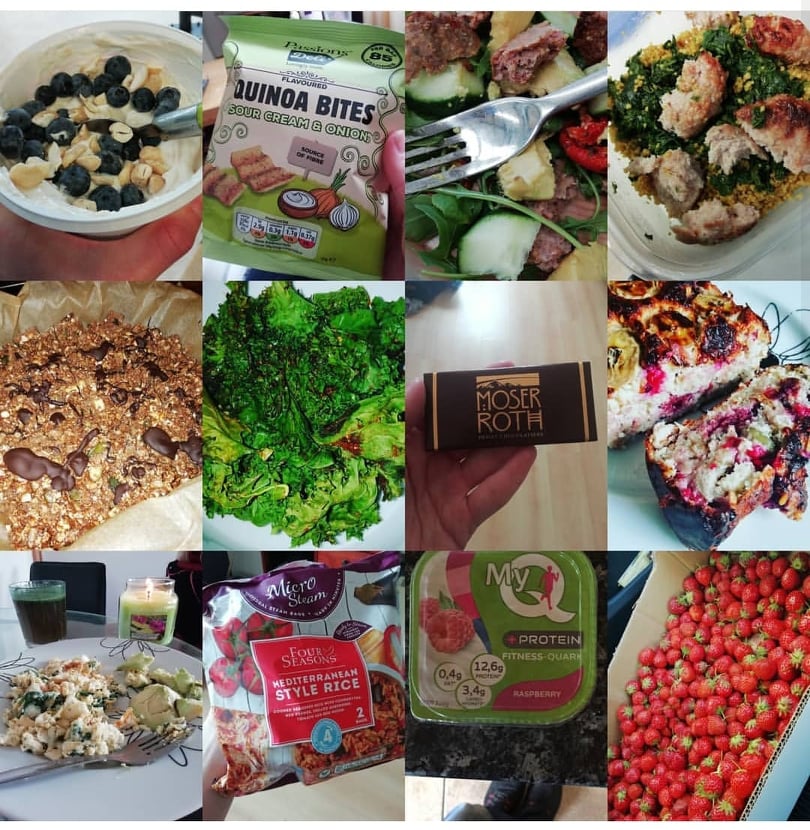
​So you think you’ve blown all your hard work over the festive period. You feel like a beached whale and you’re willing to do anything to beat the bloat. Well all is not lost, a lot of what you are experiencing is due to water retention due to high sodium and alcohol intake as well as an excess in carbohydrate storage. Try use these simple tips to get back to feeling yourself as soon as possible. What should you do?
Picture
  1. Stay away from detox or skinny teas, fad diets and waist trainers. They are expensive and a total waist of money. Firstly, our liver and kidneys naturally ‘detox’ our body we don’t need an expensive tea or juice to do that. Fad diets are restrictive and unsustainable, and you will end up back at square one or worse than where you started. Waist trainers just do not work, plain and simple. 
  2. Take small steps. There’s no point going from zero to hero in the space of 2 weeks. Instead take small more sustainable steps. For example, instead of switching your fry to a kale smoothie, why not have your sausage and bacon with some spinach and avocado? Instead of joining 6 classes a week, why not try 2 classes and go for a long walk 2 days. Increase your water intake from 500ml to 1L. These are all small steps that will result in big changes.
  3.  Stay hydrated. Flush all that water out of your system. It’ll improve your complexion, energy levels, and mood as well as so many other things. Water is king 😊 Aim for 2L a day but again give yourself an achievable aim.
  4. Add in instead of eliminating. I’m so used to hearing what people are ‘giving up’ namely: Bread, Gluten, Dairy, Sugar, Alcohol. Why not add in more vegetables, fruit, water, wholegrains?
Picture
5. Increase your NEAT activity (Non Exercise Activity Thermogenisis) This is your activity on a daily basis just walking, doing house work, working etc. The more you move daily, the more this will increase. Having a high NEAT will help increase your BMR before you’ve even done any strenuous activity. Take the stairs, cycle or walk to work (where possible) or park further away so you need to increase your steps. 
​
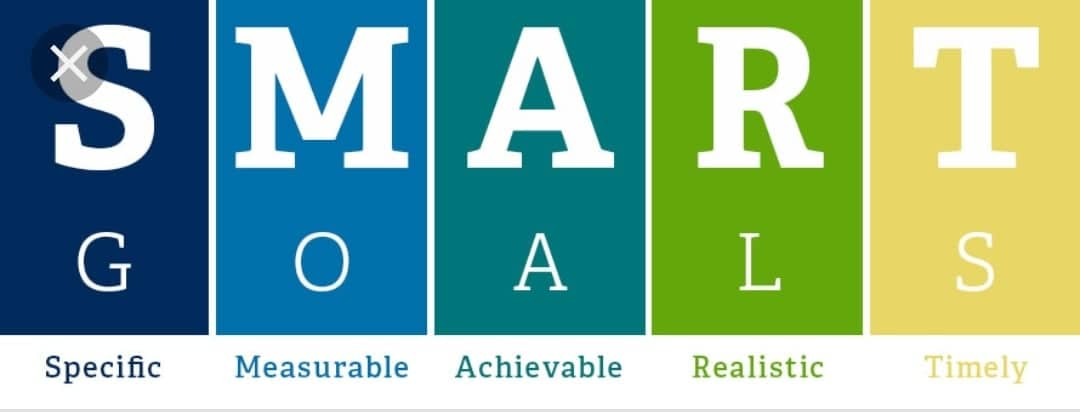
6.Make SMART goals.Specific, Measurable, Achievable, Realistic, Time Specific
E.g I would like to lose 1 pound a week until the end of March. This will be a total of 12lbs.
This is specific as we are giving an exact weight loss goal. It is measurable on a weighing scales.It is achievable and realistic. There is also a time it has to be achieved by making it time specific.
‘I want to lose weight’ would not be a smart goal.
Picture
0 Comments

A FREE AND EFFECTIVE TRAINING SYSTEM

1/9/2019

0 Comments

 
Jim Wendler, who is a well-known power lifter, came up with a great and simple training method you can apply to your own training. It is known as 5-3-1 (some people do 5-3-2) and you can easily find this online. Although I found most pieces I saw on this are extremely difficult to understand so I just want to talk about it here and simplify this method. I did this before on Instagram but the word count doesn’t allow me to go into as much depth, so here we are again.
 
This program is divided into 4 week blocks; it includes specificity, progressive overload and frequency can easily be introduced into the days. This program focuses mostly on big compound lifts and for the example given here, we are going to talk about a putting it into a 4 day program. The 4 compound lifts I will use as an example is deadlift, squat, bench and military press divided into each of the 4 days. You could substitute these 4 lifts for any other big compound lifts also. Before you begin, you need to get your one rep max (1RM) in each compound lift. Work your way up and max out on the compound lifts you plan to increase. For example, you have spent quite some time getting a strong bench press. You test this movement and get 100kg as your 1RM. With this 5-3-1 method we don’t work off of failure, we work off of technical failure which is 90-95% of your 1RM. So your technical max is now 90-95kg, depending on which you pick. This trains us to never go to failure. Once you finish your compound movement, work on accessories for those lifts and always keep reps between 10-20 reps. When you complete phase 1 (first 4 weeks), it is easy to progress to phase 2. Wash and repeat, just go 2% heavier from week 1- week 4. If you ever get stuck on a week or begin to plateau, repeat the week/phase if needs be.
 
Here is an example of a phase using the percentages from Jim Wendlers program.
We will just be focusing on the first compound movement, as I stated, fill in accessory work thereafter for yourself. For example, on the back squat days, you would then begin to break up the muscle groups used in the squat, such as calves, hamstrings, glutes, quads, core, and posterior chain etc. If your main compound is a bench press, you are primarily using the pectoralis major, shoulders and triceps for the most part. So you would perform exercises to aid those muscles individually after your compound. After I type the example, I will go through the benefits of this.
 
Week 1
3 sets in compound
Set 1- 65% X 5 reps
Set 2- 75% X 5 reps
Set 3- 85% X 5 reps (minimum)
This overall will give you 15 reps at an average of 75% of your technical 1RM (90-95% of 1RM)
 
Week 2
3 sets in compound
Set 1- 70% X 3 reps
Set 2- 80% X 3 reps
Set 3- 90% X 3 reps (minimum)
This overall will give you 9 reps at an average of 80% of your technical 1RM (90-95% of 1RM)
 
Week 3
3 sets in compound
Set 1- 75% X 5 reps
Set 2- 85% X 3 reps
Set 3- 95% X 1 rep (minimum)
This overall will give you 9 reps at an average of 85% of your technical 1RM (90-95% of 1RM)
 
Week 4-Deload week
3 sets in compound
Set 1- 40% X 5 reps
Set 2- 50% X 5 reps
Set 3- 60% X 5 reps (minimum)
This overall will give you 15 reps at an average of 50% of your technical 1RM (90-95% of 1RM). If you don’t need to deload this much you could easily go with 60% for all 3 sets.
 
This method is technically smart, measured easily and simple to manage. Let’s assume again your 1RM in the tester was 100kg. Your training max is now 95kg (95% of your 1RM). So here are some examples of how it will work.
60% of 95kg is 57kg
75% of 95kg is 71.25kg
90% of 95kg is 85.5kg
 
Week 1 notes:                                                                        Week 2 notes:           
Reps: 15 minimum                                                      Reps: 9 minimum
Average percentage: 75%                                           Average percentage: 80%
Volume (reps X percentage) = 1125                          Volume (reps X percentage) = 720
 
Week 3 notes:                                                                        Week 4 notes:
Reps: 9 minimum                                                        Reps: 15 minimum
Average percentage: 85%                                           Average percentage: 50%
Volume (reps X percentage) = 765                            Volume (reps X percentage) = 750
 
Volume is jumping around, but for good reason. Starting light and progressing slowly will see continued gains throughout the phases. People have been using this in 16 week cycles themselves for a long time, and by not jumping up the ladder too soon, they see more gain as they build a solid foundation over time. Volume starts high as you can see with 1125, and then the next week it drops to 720. This is so we get some endurance in and make sure we hit percentages before climbing up the weights; week 1 is sort of a test and foundation for week 2 and week 3. Week 3 it climbs slowly to 765 showing a jump in volume. The deload week can be manipulated here as stated above, but it is important to note that I would recommend keeping volume below week 3, just as shown above with 750. This gives you a break and allows you to up the weight by a few kg before jumping into week 1 on phase 2.
 
I am sure you have noticed the 3rd set in each week has minimum written in brackets. This is simple, if you have more in the tank; go for it on your last set. The goal is always to have a minimum so you can measure accordingly. We often see programs having a max, but having a minimum is easier to track and safer also. Accessory work has been done a lot of different ways, if you really want to get better at the lifts, people often stick to 5 sets of 10 reps at a lighter weight of the same exercises (on bench day, once you finish your 3 sets of Wendler, you then continue to do 5 sets of 10 reps on bench). IF you want, you can pick 3-5 other exercises to do that target weaknesses or are muscles that aid that lift, and perform them. The days you aren’t feeling it or if you’re having an off day, all you have to do is show up and perform the compound at the minimum to keep on track. You can also perform 5-3-2 here and change the minimum of one rep, to a minimum of 2 reps as a lot of others do.
0 Comments

How to not ruin your progress over the festive period?

11/30/2018

1 Comment

 
So, you’ve worked super hard over the last few months to get to where you are now. You’ve been hitting the gym hard four times a week, you live out of Tupperware and you’re content with one night out a month. You’ve lost a considerable amount of weight and you’re really worried about ruining all your progress thus far. But at the same time, you don’t want to be the prude sitting in the corner with their fish and greens. Well all is not lost 😊


Christmas is a time that should be celebrated and enjoyed. You should never have to exclude yourself from social occasions but you also want to keep your goals in mind. There is no point killing it in the gym for almost a year to let it all go over the month of December. Here are some of my tips for damage limitation:

  1. Relax. It’s not Christmas yet. Christmas is getting earlier and earlier every year. Now, I’m not being a grinch here and I’m all for YOLO but there is absolutely no need to have that tub of celebrations on the sitting room table on the 1st December. Christmas is the 25th December. If you use the whole of December to celebrate one day, you will ruin your progress.
  2. Keep Active. So again, there is no need to quit your routine until the week of Christmas. Keep your normal routine up until the 21st December, you may have a Christmas party night or something in between. If you normally train Monday- Thursday. Keep that routine until then. Over the holidays, walk, take part in a charity swim, cycle or do a home workout. It doesn’t need to be every day. But don’t become 100% sedentary, it’ll do you no favours. Get the family involved, the pets, it doesn’t have to be a lone task 😊 Also, remember dancing counts as exercises 😉
  3. Drink plenty of water. Your body wants to be at 50-60% water. If it’s not, our systems start acting up. You will be out of routine as well as consuming alcohol meaning the chances of dehydration are high. If you can keep one good habit over the holidays, I recommend this one.
  4. Try to stick with one ‘bad’ meal a day. Have a good healthy breakfast and a salad for lunch and enjoy your dinner 😊 Or if you want that fry after Stephen’s Day, Keep lunch and dinner relatively healthy. If you are going out for dinner: 
  • Try to stick to either a starter/main or a main/dessert
  • Try to stick to a high protein, low fat/high carb or high protein, high fat/low carb
       5. Be careful of drinking your calories. Festive coffees and hot chocolates are in every café at the minute. Remember, one hot drink can be the equivalent of a whole meal, so proceed with caution. When it comes to alcohol, think of it as it is, calorific with no nutritional significance. But if you want one, have one. Try to stick to clear spirits with diet mixers or water. Veer away from festive cocktails, egg nog and baileys. Leave room for the celebrations 😉
          6. The most important point. ENJOY CHRISTMAS. It’s a time for family and friends. You will indulge, it’s only natural, just be mindful. And take responsibility for your actions, whatever they may be 😊

Happy Holidays!!!!!!!!!!!
1 Comment

Eating Healthy on a Budget

9/14/2018

0 Comments

 
So, September is upon us which can only mean one thing. School is back. A lot for you may be either starting college for the first time or going back after a summer. Fear not, you do not need to live on pot noodles, I have the solution. Eating healthy is not actually as expensive as people think as long as you are thrifty about it. It’s all about being organised.

Smart Ways to Shop

  •  Super 6 at Aldi (Fruit and veg and meat)
  •  Try to go to more than one shop (if possible) 
  •  Weekly fruit and veg offers at Lidl/Tesco/Dunnes/Supervalu
  •  Shopping with a list 
  •  Early morning or evening shopping for reductions
  • Shop leaflets for weekly reductions

We will even go a step further for you and do up a shopping list as well as a meal plan. The shopping list doesn’t take into account: Cooking oils, butter, water, extra drinks, tea, coffee, salt, or flavourings. It is also taking into account that many students will go home early on a Friday so the below shopping list covers you for 4 days. This is super cheap. If you had a little extra you could always add a little more :) 

Food shopping list (prices:Aldi 2017)
  • 10 eggs                                                            €1.99
  • 2 x Tins Tuna                                                   €1.68
  • Frozen Cod (5 pieces)                                      €3.69
  • Oats                                                                 €1.39
  • Spinach                                                            €1.39
  • Carrots (super 6)                                             €0.49
  • Broccoli (super 6)                                            €0.49
  • Cous Cous                                                        €0.68
  • Mutli seed bread                                             €0.99
  • Pears (super 6)                                                €0.49
    • Nectarines (super 6)                           €0.89
  • Cashew nuts                                                    €1.79
Total:                           €15.96


4 Day Food Plan

Day 1
Breakfast – 50g Porridge oats made with water
               _ Topped with 1 nectarine
Mid morning snack – Tin Tuna
                                   - Pear
Lunch – 2 boiled eggs
            - Large handful of spinach
            - Cupped handful of cous cous
Mid afternoon snack – 2 slices of multiseed toast
                                      - Nectarine
Dinner – Cod fillet
              - Cupped handful of cous cous
              - Large handful Roast carrot and Broccoli 

Day 2
Breakfast – 50g Porridge oats made with water
               _ Topped with 1 Pear
Mid morning snack –  12 cashew nuts
                                     - Nectarine
Lunch – 2 egg omelette with spinach
           - 2 multi seed slices toast
Mid afternoon snack – Pear
                                      - Carrot sticks
Dinner – Cod fillet
              - Cupped handful of cous cous
              - Large handful spinach 

Day 3
Breakfast – 50g Porridge oats made with water
               _ Topped with 1 Pear
Mid morning snack –  12 cashew nuts
                                     - Nectarine
Lunch – Tin Tuna
            - Large handful of spinach
            - Cupped handful of cous cous
Mid afternoon snack – 2 boiled eggs
Dinner – Cod fillet
              - Cupped handful of cous cous
              - Large handful Roast carrot and Broccoli

Day 4 
Breakfast – 2 poached eggs
                  - 2 slices of multiseed bread
              
Mid morning snack –  12 cashew nuts
                                     - Nectarine
Lunch – Cod fillet
              - Cupped handful of cous cous
              - Large handful Roast carrot
            -
Mid afternoon snack – Pear
Dinner – Cod fillet
             - Large handful of spinach
             - Cupped handful of cous cous

0 Comments

Simple Tips to a Healthier Lifestyle

9/7/2018

19 Comments

 
​

​Most people fail at a lifestyle change in the first 2 months. Why? Because they make too many dramatic changes that are not sustainable, and/or they don’t see results instantly so give up. A healthier lifestyle is relatively simple. And contrary to what you may think, it’s not about going to the gym 7 days a week and living on superfoods.
  • Drink 2 litres of water a day, more if you can. Our bodies should be at least 50% water but due to lack of water consumption and over consumption of diuretics our bodies are not optimally hydrated. This can have all sorts of impact on short term goals but more importantly long-term health. People seem to find this one hard. The same people can guzzle 10 pints of beer or 3 bottles of wine at the weekend. That’s 5.68 litres of beer or 2.25 litres wine. You need to form a habit. I bring a 2 litre bottle with me everywhere I go. Others, refill a smaller bottle. Make it a priority. 
  • Preparation is the key to success. Fail to prepare, prepare to fail. This can relate to many parts of a healthy lifestyle. Firstly, making sure you have your water with you wherever you go. Then, food preparation. Ever heard it’s 70% food, 30% exercise, well they didn’t lie. I usually do a large food shop. I then pick 2 days in the week where I have a little extra time. I prepare all my meals for the week and either refrigerate or freeze the main meals. I usually go for a Sunday and Wednesday. That way I know exactly what I am eating each day. There is no room for ‘bad food choices’. This also saves time and money. But if you are someone who eats out, make sure you are going to a place that will facilitate you for your goals. Lastly, making time for exercise. We all have the same hours in the day. Yes, things will come in the way of that but let’s prioritise it.  Even better, let’s make it an appointment. You wouldn’t ditch a doctor’s appointment so let’s make this as much of a priority. And if you have to work it around your busy schedule, do that. 
  • Try base most of your foods on one ingredient whole foods. Foods include: Meat, fish, eggs, pulses, nuts, seeds, vegetables and fruit.
  • Limit processed foods and excessive treats. Trans fats are found in a lot of fried food and cannot be broken down by the body. They contribute to high cholesterol, weight gain and can increase risk of stroke and heart attacks. Too much sugar in the diet can ultimately lead to problems with blood glucose levels and in severe cases can cause type 2 diabetes. So limit these foods to once or twice a week 
  • Increase your NEAT activity. Non Exercise Activity thermogenesis is the energy expended for everything we do that is not sleeping, eating or sports like exercise. Trying to increase your daily steps (10,000 per day is the aim). This can be done by walking or cycling to work, taking stairs instead of elevators and parking further away so you need to walk.
  • Find exercise you enjoy. You will adhere to it better if you enjoy it. So, if it’s weights, spinning, boxing, football, kayaking or Pilates. Go do it. There is no ‘better’ exercise than the one you can adhere to. Now, when you’ve got into a routine, you can start looking outside of that exercise. I usually say do 80% of the exercise you like and 20% of what you NEED. So if you’re an avid runner, run 80% of the time but 20% of your time should be what you need like resistance training or pilates. If you love powerlifting, try spinning once or twice a week.
  • Calories count – No matter what diet you try ultimately all that matters is that your calories in are less than your calories out. If you want to go low carb, low fat, keto, paleo is up to you. That’s if weight loss is your goal. If weight maintenance is the goal, calories in must be the same as calories out.
 
These are simple starting points to a healthier lifestyle. Once you’ve mastered these you can start looking into supplements, organic foods and the latest fitness fad. Ultimately, you want to find a process that you can stick to and that adapts to you and your lifestyle.  
19 Comments

More on Supplements

8/24/2018

0 Comments

 
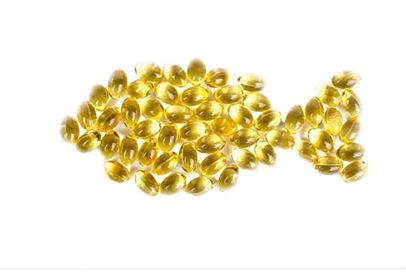
Fish Oils
It is recommended that we eat oily fish 1-3 times a week. But due to food quality deteriorating, we often do not get enough fish oils in our diet. Fish oil supplements are derived from the tissues of oily fish and can be found in liquid or tablet form. The active ingredient in fish oils is EPA and DHA and these are the components you should look for when choosing a supplement. Fish oil supplements can be stored at room temperature, but liquid versions should be refrigerated. 

​Function
  • Healthy hair, skin, nails
  • Helps reduce inflammation within the body
  • Supports healthy cholesterol and blood pressure levels
  • May improve bone health

Picture

​
Vitamin D
Vitamin D is a fat-soluble vitamin. Foods that provide Vitamin D include: Oily fish, Offal, Eggs and Dairy products. But the best source of vitamin D is absorbed through sunlight. As we get very little of this in Ireland, many of us are deficient in Vitamin D. Sun screen will inhibit Vitamin D absorption that is worth noting as there is a catch 22 there.
Function
  • The main role of Vitamin D is calcium absorption which builds strong bones and teeth and improve muscle function

Magnesium
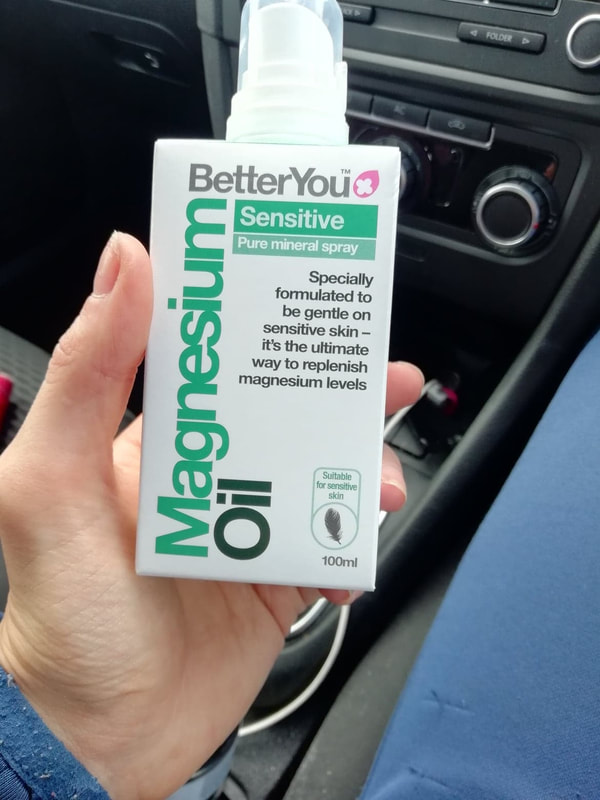
Magnesium is needed for chemical reactions to produce energy, contract muscles and alter blood cholesterol. We only absorb 20-50% of Magnesium ingested so it is very easy to be deficient especially if dietary habits are poor.
Factors that can affect Magnesium absorption:
  1. A diet high in carbonated drinks can also be quite high in phosphates. Phosphates bind with magnesium in the digestive tract rendering it unavailable to the body
  2. Physical and emotional stress can have an impact on magnesium levels in the body. High Adrenaline and Cortisol levels were associate with reduced Magnesium
  3. Highly caffeinated drinks cause the kidneys to excrete magnesium regardless of the body status
  4. Certain drugs like heart medication, asthma medication and birth control pills have been shown to reduce magnesium levels through excretion by the kidneys
 
Magnesium chloride has been found to have the highest bioavailability of magnesium. This can be found in transdermal products of Magnesium like oils, salts and lotions.
 

Picture
0 Comments

Supplements – Are they vital?

8/17/2018

0 Comments

 
     As with almost everything in nutrition, the short answer is it depends. I get asked this question ALL THE TIME. We really shouldn’t need supplements if our diet was full of nutrients, should we? But unfortunately, these days there are a lot of reasons why we may need them.

  1. Food (even the ‘natural’, ‘whole’, ‘organic’) is not of the same quality as it was years ago. Do you think our ancestors took Magnesium or B group vitamins? No, because their diets were rich in nutrients. They ate off the land, their produce was natural. These days our land is covered in slurry, our meat is injected with foreign bodies and our fish is farmed. Unfortunately, our food is just not as nutritious. So even if we adhere to a healthy, balanced diet, we may still be lacking in nutrients
 
      2. Lifestyle can have an impact on whether you need supplements. I don’t just mean you are too busy to eat so you decide to take supplements instead. Supplements are exactly that, they should supplement a diet, not replace it. An athlete may require more calcium, or they may need a dose of zinc to boost immune function. Young females are more at risk of iron deficiency anaemia and may require an iron supplement. Vegans/ Vegetarians may not get enough protein in their diet and may chose to take a protein supplement. Pregnant women are advised to supplement with folic acid to help with foetal development. 

    3. Lack of availability may be another reason why people supplement. In Ireland, we do not get much sunshine. Vitamin D is the sunshine vitamin. In 2013, over 40% of adults had suboptimal levels of Vitamin D. Vit D’s bioavailability from foods is not the same as sunlight. Therefore, we may need to take a supplement. The HSE also recommends that all infants from birth to 12 months, whether breastfed or formula fed be given a daily supplement of 5µg Vitamin D. People who chose a vegan lifestyle may also have to supplement with Vitamin B12 as there are little to no natural foods containing B12 in a vegan diet. They may find foods fortified with Vitamin B12, otherwise they must supplement.

And sometimes we just self prescribe
Just because we hit the gym 3 times a week does not mean we need a whey protein supplement. You don’t need to be guzzling BCAAs intra workout. And you certainly don’t need to take a concoction of supplements just because your favourite insta famous hun takes them :D Self prescription is not the right option. If you are unsure, speak to a qualified professional.
 
Protein Supplement
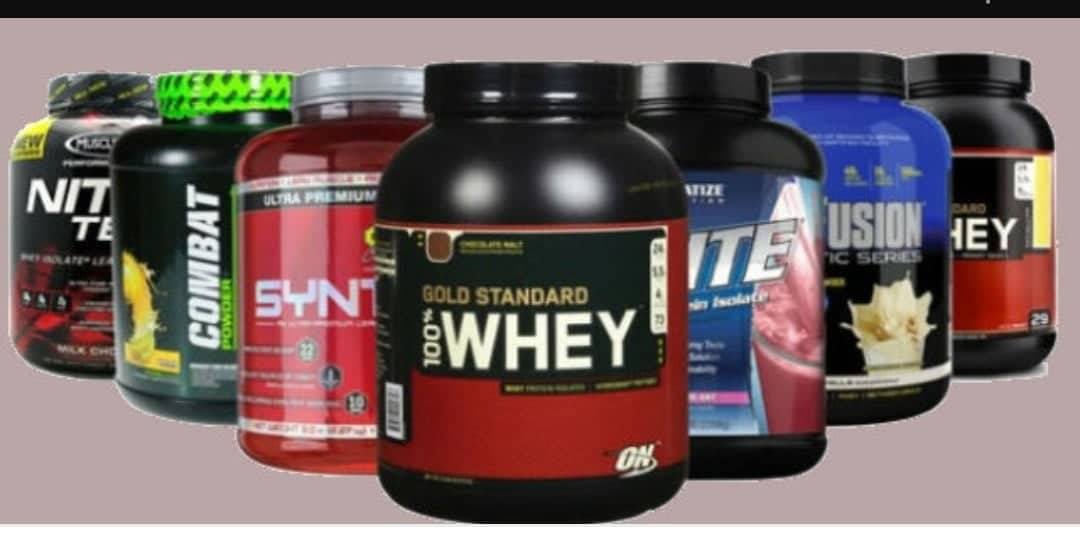
The Sports Nutrition industry has boomed in recent years. Protein supplements can be in the form of powders, tablets, shakes or bars. Every second person seems to be taking protein supplements, but do we really need them?
Most people will get enough protein in their diet and probably don’t need a supplement. But if you are training frequently and find it hard to recover you may benefit from a supplement. Similarly, if you follow a low protein diet, it may be of advantage of you to take a supplement. Personally, I like adding protein powders to breakfasts, smoothies and treats to boost protein content. I rarely take it as a post workout shake.
Pros
  • They are quickly absorbed
  • Convenient
  • Nice flavours can curb sweet cravings
Cons
  • Can be expensive
  • Often unnecessary. Excess protein will be excreted

Picture
0 Comments

Do we overcomplicate weight loss?

8/3/2018

1 Comment

 
Weight loss is simple and straight forward (Unless in rare situations where genetics or hormonal imbalances play a role). It is a matter of calories in versus calories out. If you are burning more calories than you are consuming, you will lose weight. We are over complicating it all too much. We want to buy influencer's products and try fad diets. we waste money on pills and 'detox' products. When we could all just make life so much easier on ourselves.

Basal Metabolic Rate (BMR)
BMR is the amount of energy you expend while at rest. This is the minimum energy you need just to be alive. We burn calories sitting, sleeping, walking, and doing daily tasks. So there are a certain amount of calories you require on a daily basis.
If you exercise, you will require extra calories on top of these calories. So now you are at a maintenance calorie count for an active individual.
If weight loss/ weight gain are your goals, you will need to remove a certain amount from this calorie count. That way you are now in a caloric deficit. (This is a HUGELY simplified version of what actually happens).
 
How do I calculate my BMR or Calories?
This again is a very simplified version and there are equations to calculate it but this can be fairly accurate.
 
Weight (Kg) x 24.2 = BMR
BMR x Activity Level = Maintenance Calories
Lightly Active (Walking most days) – 1.2
Moderately Active (Exercise 3- 5 times per week) – 1.5
Very Active (Exercise 5 – 7 times per week) – 1.7
Athlete (Exercise 7-10 times per week) – 1.9

Goal specific – so if weight loss is a goal we are looking at it as an overall percentage of body weight. If someone needs to lose 10% of their body weight we reduce calories by 10% etc.
Maintenance Calories- 10% = Weight loss Calories

Example: 65kg Female, very active looking to lose 5% of body weight
65 x 24.2 = 1573KCal
1573 x 1.7 = 2674KCal
2674 - 5% = 2540 KCal


This should give you a gauge but it still works on the principle of calories in are less than calories out.

Social Media Poison
Social media is a huge culprit for overcomplicating weight loss. Between photoshop, sponsored products and influencers ‘diets’, we buy into all this crap. And that’s what it is. These people you are trying to look like, don’t even look like that!!!!! The products they are promoting, they are getting a substantial amount of money to take those. YOU WILL NOT LOOK LIKE THAT!!!!!! You don’t need to drink their detox teas. You don’t nee that over priced waist trainer. No, that workout video will NOT give you abs. You need to stop comparing yourself to others. Everyone is on a different chapter of their journey. Remember that and invest in a trainer that can actually help you achieve realistic goals.
 
Diets
Paleo, Atkins, IIFYM, No Carb are just a few that spring to mind. They all work on the same principle, calories in are lower than calories out. Whether all you eat is cabbage soup or high protein foods, if you are in a calorie deficit you will lose weight.

What about Macros though? Don’t they count?
It depends on goals. I usually recommend go high protein and after that the breakdown of carbohydrates and fats don’t really matter unless you are at a very low body fat percentage. Why high protein? I did a blogpost on it before, go read it 😊
What about removing whole food groups/food types?
I seen a post recently about someone who was not allowed: Gluten, Dairy, Alcohol, Refined sugars and the list went on. If you want to find something that is sustainable and long term, eliminating large parts of your life is probably going to be a recipe for disaster. You can probably do it for 4 or 8 weeks but after that you’re back to square one. Going from zero to hero is hard and sometimes not achievable. So what about that person who removed bread from their diet and lost loads of weight? That person probably had too much bread in their diet. By eliminating the bread, they reduced their calories. Simple as.
 
So let’s just make it easy
It goes back to the main principle of calories in versus calories out. Although you WILL need to make some sacrifices. If you don’t make a change you won’t see a change. But we don’t need to over complicate it. You can lose weight slowly and still have a life. Or you can lose weight fast by a complete lifestyle overhaul. There is no right or wrong way. Both work on the same principle. The one you chose is the one that works best for you and your lifestyle. Stop over complicating it. Eat less crap, move more and sleep well. It really is that simple
 

1 Comment

Healthy Recipes

7/27/2018

0 Comments

 
Summer Salads are the business :)
​I always recommend to add some fruit to sweeten it up and it will also add carbohydrates without the heaviness of certain complex carbs. Bye Bye boring salads. 

Super Salmon Salad 
Ingredients:
- Salmon Fillet
- Mixed Leaves ( I use Spinach, Rocket, Lamb's Lettuce, Ruby Chard)
- Cucumber
- Raspberries
- Mixed seeds
- Olives
- Parmesan
(I don't use salad dressing but I recommend an olive oil and balsamic vinegar)
Picture

How Do You Like your Eggs in the morning?

Eggs are so versatile, cheap and nutritious. They are loaded with protein, vitamins and minerals. Whether weight loss/ maintenance or muscle gain is your goal, eggs should be a staple in your diet.

Messy Scrambled Egg


Ingredients:
- 5 Egg Whites
- 30g Low fat Cheese
- Handful Spinach
- Basil (chopped)
Picture
Tasty, Nutritious Snacks

Healthy snacks are much more readily available these days which is great. You can't beat a homemade snack though :) Why not try out the energy bars with a cuppa or substitute your mid morning chocolate bar for a fruit salad with a twist.

Energy Bars - makes 9
- 2 and half cups oats
- 1/3 Cup desiccated coconut
- Scoop Protein powder (optional)
- 2 Tbsp Chia seeds
- 5 Tbsp Maple Syrup
- 2 Tbsp Coconut oil melted
- 3 Tbsp. Peanut butter
- 3 Squares Dark Choc melted

Mix all dry ingredients together. Melt coconut oil and add maple syrup and peanut butter to a cup. Pour mixture in slowly and make sure to cover the dry mixture. Add to a baking tray ( I use baking paper - lazy). Refrigerate for 30-60 mins and enjoy :)
Picture
Fruit Salad with a twist 

Gone be the days of a few slices of apple with a petit filous :D This tasty snack has a good balance of protein ( Greek Yogurt), carbohydrate ( Fruit) and Fats ( peanut butter and chia seeds).

Ingredients:
- 3 Tbsp. Greek Yogurt
- Mixed Berries and Peaches (You can choose fruit of choice but I recommend Lower GI fruit)
- Tsp Peanut butter
- Sprinkle Chia seeds
- I add MyProtein FlavaDrops but these are optional
​
Picture
0 Comments
<<Previous
Forward>>

    Author

    Craig Connolly
    Personal Trainer and co- owner of Fulbody Workhouse.

    Archives

    March 2020
    February 2020
    January 2020
    September 2019
    August 2019
    July 2019
    June 2019
    May 2019
    April 2019
    March 2019
    February 2019
    January 2019
    November 2018
    September 2018
    August 2018
    July 2018
    June 2018
    April 2018
    February 2018
    January 2018
    September 2016
    February 2016
    January 2016
    November 2015
    August 2015
    September 2014
    April 2014

    Categories

    All

    RSS Feed

Personal Trainer Website Design by
My Personal Trainer Website
  • Home
  • Amazing 12
  • Services
  • About
  • Contact
  • Blog
  • ebook